
The Story of Allanridge: A Golden Legacy
Free State, South Africa · A Journey Through Time
From the first strike of a prospector’s tool to its modern-day resilience, the history of Allanridge is a story of grit, discovery, and community. This timeline explores the defining moments that shaped this unique corner of the Free State goldfields.
1896: The First Discovery & The Deep Sea Grave
The Outcrop: Prospector A. Donaldson and engineer Herbert Hinds identify a conglomerate pebble reef on the farm Zoeten‑Inval, owned by Barend Christiaan Klopper.
Skepticism: Johannesburg mining houses dismiss the find, certain that no gold exists south of the Vaal River.
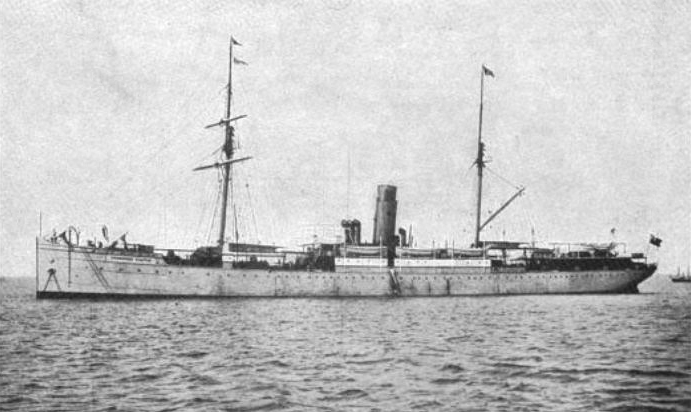
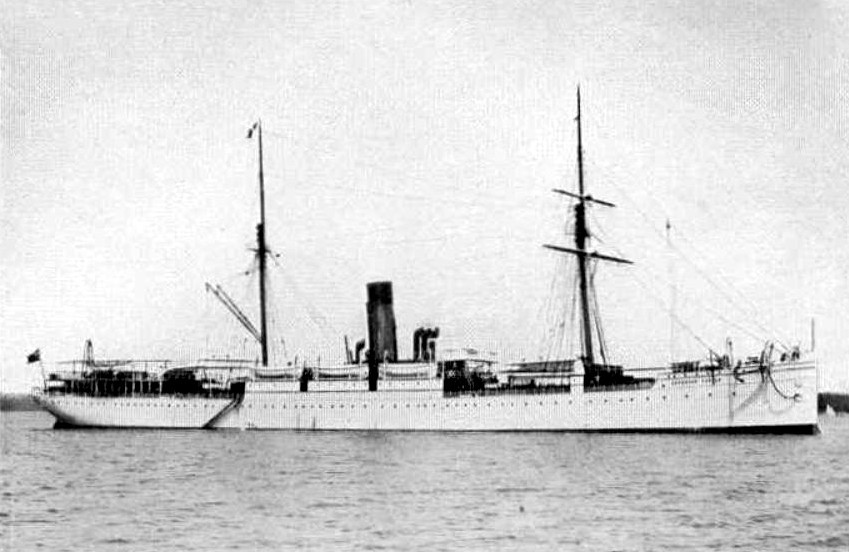
May 28, 1896: Donaldson and Hinds board the SS Drummond Castle in Cape Town, carrying their Free State ore samples to London to raise capital.
June 16, 1896: In a calm sea with no breakers to warn them, the ship strikes the Pierres Vertes Reef off Molène Island.
Disaster: The ship sinks in just four minutes. Of the 246 souls aboard, only three survive. The first physical proof of the Free State goldfields is lost at the bottom of the Bay of Biscay.
Historical Note (1929): The Italian salvage vessel Artiglio located the wreck, confirming a massive gash in the hull stretching from the keel to the waterline.
1899: The Battle of Belmont & St. Helena
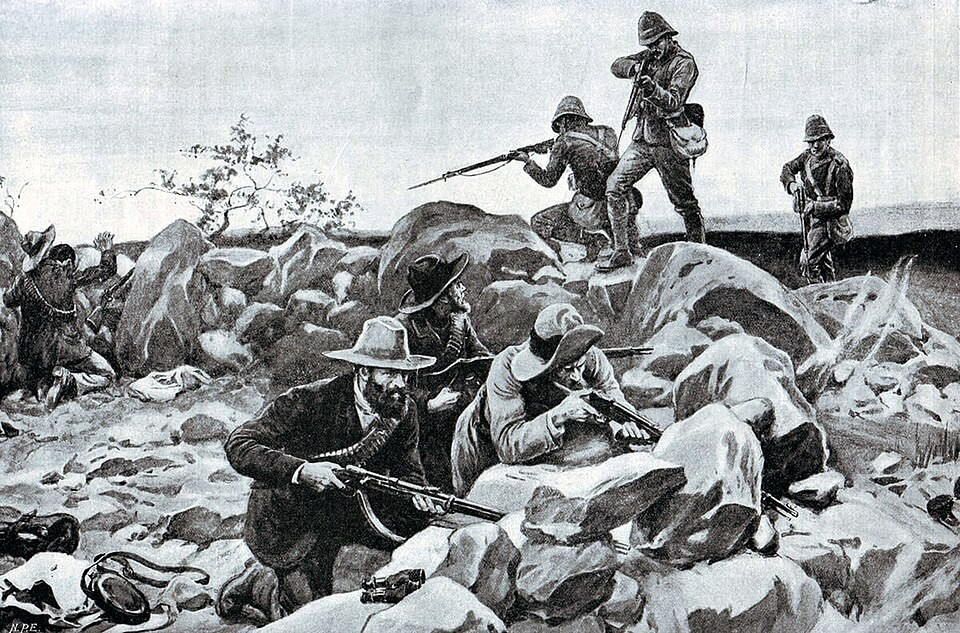
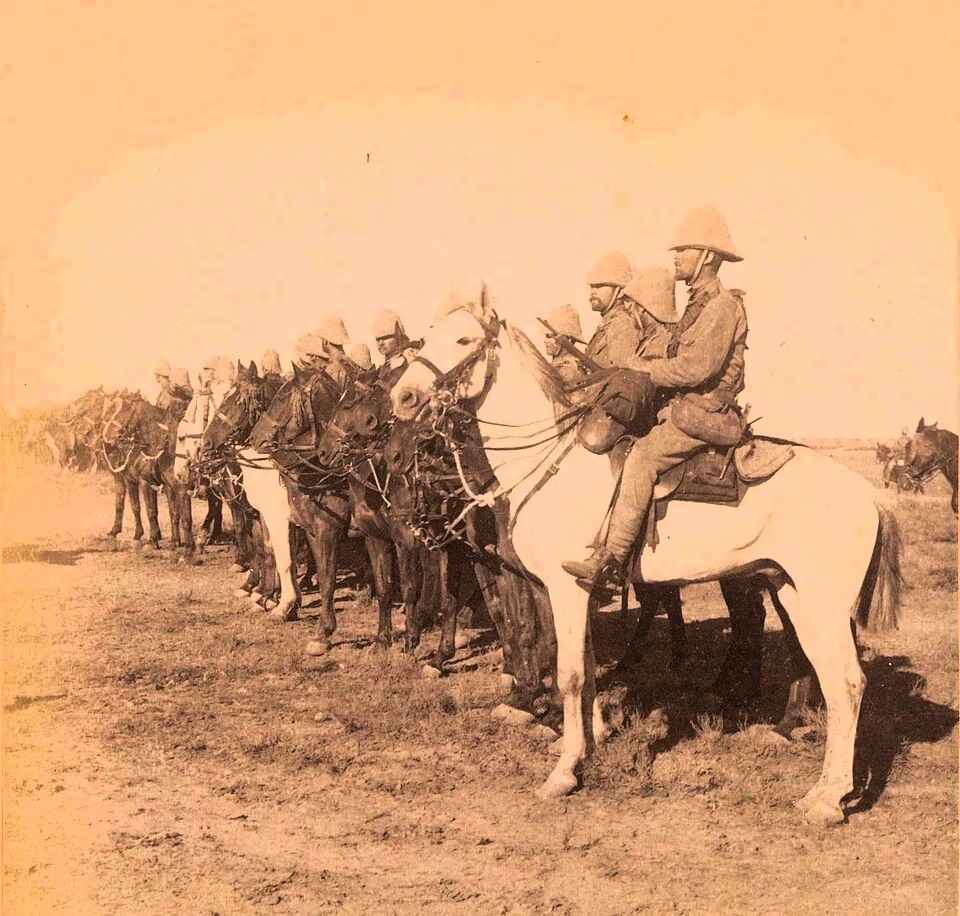
Nov 23, 1899 — Battle of Belmont: During the Second Boer War, Lord Methuen’s British forces assault Boer positions on the Belmont kopjes.
Captured: Among the Boer fighters are the owners of the gold‑bearing land — Barend Christiaan Klopper (age 40) and Hendrik Petrus Klopper (age 21) of Zoeten‑Inval.
Exile: Both men are taken prisoner and sent to St. Helena Island.
The Irony: Decades later, the first mine to successfully produce gold in this region would be named the St. Helena Gold Mine.
1904: Megson’s Aandenk Pit
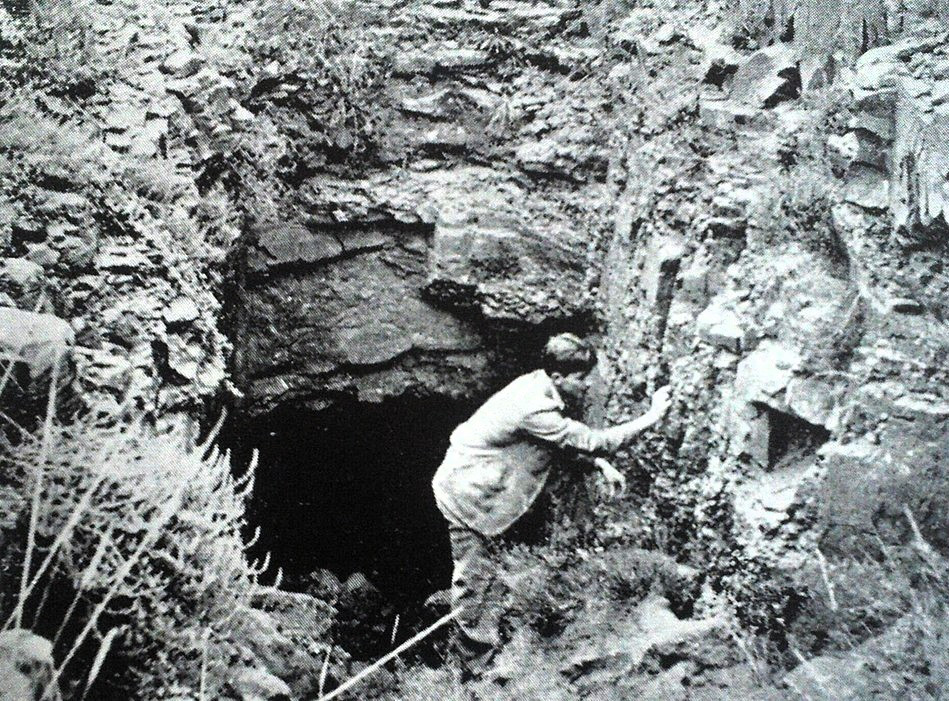
The Pit: Prospector Arthur Megson sinks a shaft on Aandenk to about 30 m (≈100 ft), exposing outcrops and rock strata that clearly indicate gold.
Rejection Again: He takes his samples to Johannesburg, but the mining houses remain unconvinced.
Booby‑Trap: Protective of the find, Megson is said to have lined the bottom of the pit with dynamite before abandoning the site.
1932–1938: Allan Roberts & the "Klipdokter"
Oct 1932 — Investigating the Aandenk Pit: Allan Roberts (after whom Allanridge is named) and attorney Emmanuel Jacobson examine the outcrops and rock strata exposed by Arthur Megson’s 1904 pit on Aandenk, reinforcing Roberts’ "Rim of the Lake" theory.
May 5, 1933 — First Scientific Borehole: Roberts begins drilling on Hendrik Klopper’s farm Aandenk (near the original pit). With Jacobson, Fritz Marx and Peter Woolf, he formalizes Wit Extensions Ltd to fund the work.
Community Spirit — The Klipdokter: Farmers bring rock samples to Roberts daily, earning him the nickname Klipdokter ("Stone Doctor").
First Strike (2,721 ft): The team intersects the Witwatersrand system — the first scientific proof that Roberts’ theory is correct.
Oct 23, 1933 — Aandenk "Borehole of Hope": A subsequent hole on Aandenk runs out of funding at roughly 1,221 m (≈4,000 ft).
Near‑miss: That Aandenk hole stopped only about 120 m short of the Basal Reef — the incredibly rich gold‑bearing layer.
1935 — The 400‑Foot Tragedy: With funds exhausted at 4,046 ft, drilling halts — unaware the Basal Reef lay only about ~400 ft (≈120 m) deeper. The drill then falls silent for 11 years.
1933–1938 – Years of Persistence
Even as funds dried up and skepticism lingered, the Aandenk site remained a beacon of hope (fittingly, Aandenk means "remembrance"/"souvenir"). The persistence of local supporters and prospectors kept the Free State dream alive through the mid‑1930s.
1939 – 1946: The Great Boom
Vindication (1939): Larger corporations begin drilling; high values are found at St. Helena.
Sale (1945): The Aandenk farm and surrounds are sold to mining interests, paving the way for large‑scale development.
April 1946 — Geduld 697: A borehole hits extraordinarily rich values, confirming a world‑class field.
Deepening Aandenk: Roberts’ original borehole is later deepened to about 4,446 feet — striking the Basal Reef, just as he predicted.
Aftermath: The boom catalyzes the rise of Welkom, Odendaalsrus, and eventually Allanridge.
1946 – 1950: Vindication & The Birth of Allanridge
1946 — Geduld Strikes: Phenomenal values nearby unleash a boom and renewed confidence across the field.
Deepening Aandenk: Roberts’ original borehole is finally deepened to about 4,446 feet — striking the Basal Reef and vindicating his theory.
A Living Memorial: The town of Allanridge is established and named in honor of Allan Roberts, who refused to give up on the vision first sparked by Donaldson, Hinds, and Megson.
1950s: The Birth of a Town and the Boom Years
As the northernmost town of the goldfields, Allanridge is officially named to honor Allan Roberts — the man whose "wild goose chase" changed South Africa’s economy. With the Loraine Gold Mining Company at its core, the town grows at an incredible pace. To ensure it is both functional and beautiful, planners look to William Backhouse, the visionary architect behind the neighboring city of Welkom, to design the layout.
Did you know? Allanridge’s orderly and efficient town layout was designed by William Backhouse, mirroring the innovative urban planning of Welkom. 💡
1960s: Building a Community
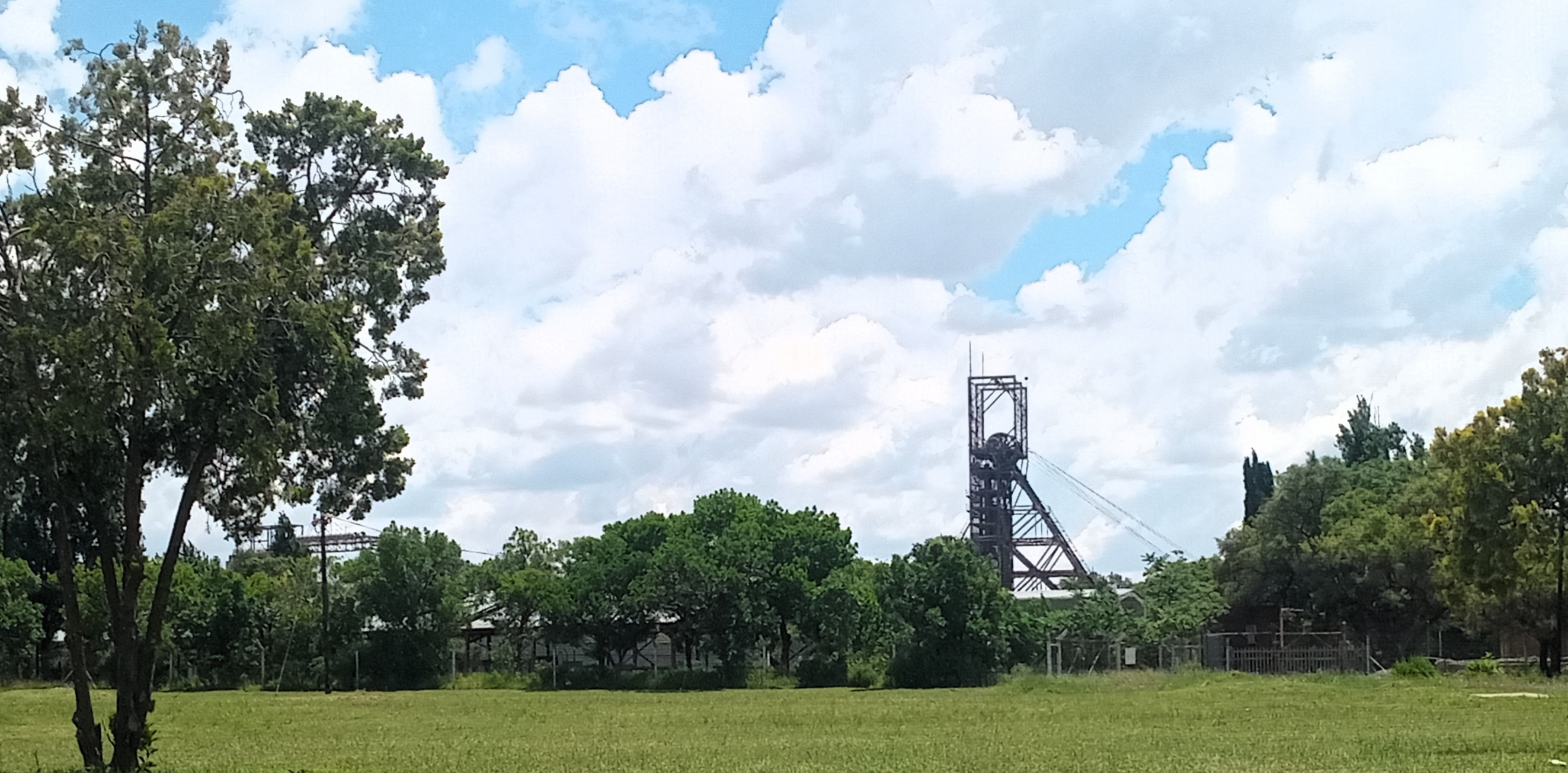
By the 1960s, Allanridge had evolved from a mere mining camp into a thriving settlement. As miners brought their families to the Free State, a unique cultural identity emerged. The town became more than just a place of work; it became a tight-knit community bound by the shared rhythms of the mining industry.
Did you know? During the 1960s, the influx of diverse workers and families helped Allanridge develop a distinct and resilient social fabric. 💡
1980s: Navigating Economic Shifts
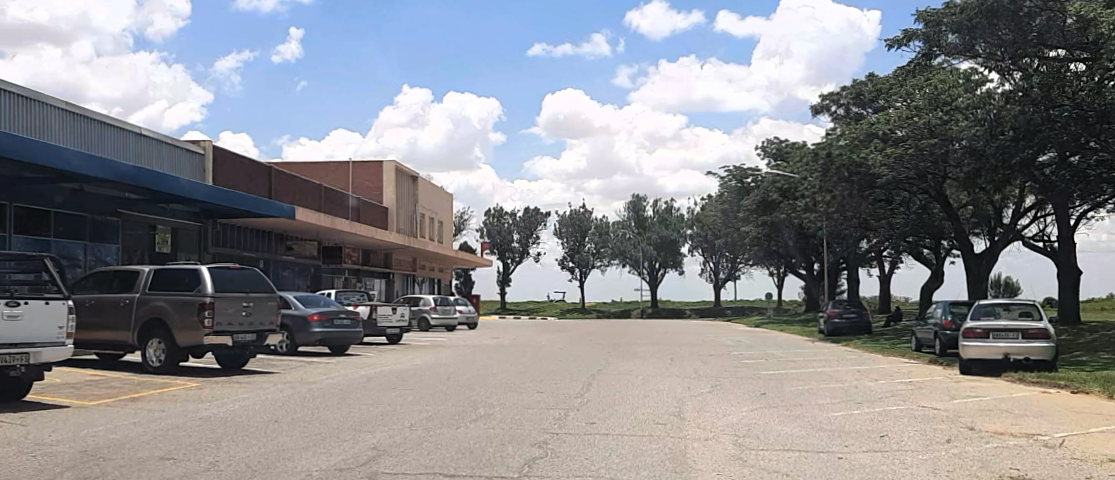
The 1980s brought the first major tests for the town. As global gold prices began to fluctuate wildly, the local economy faced significant pressure. Despite these hardships and the cooling of the initial "gold rush" era, the people of Allanridge remained resilient, maintaining the town's steady heartbeat through uncertain times.
Did you know? Despite severe economic challenges caused by the volatile gold market, Allanridge never lost its industrious spirit. 💡
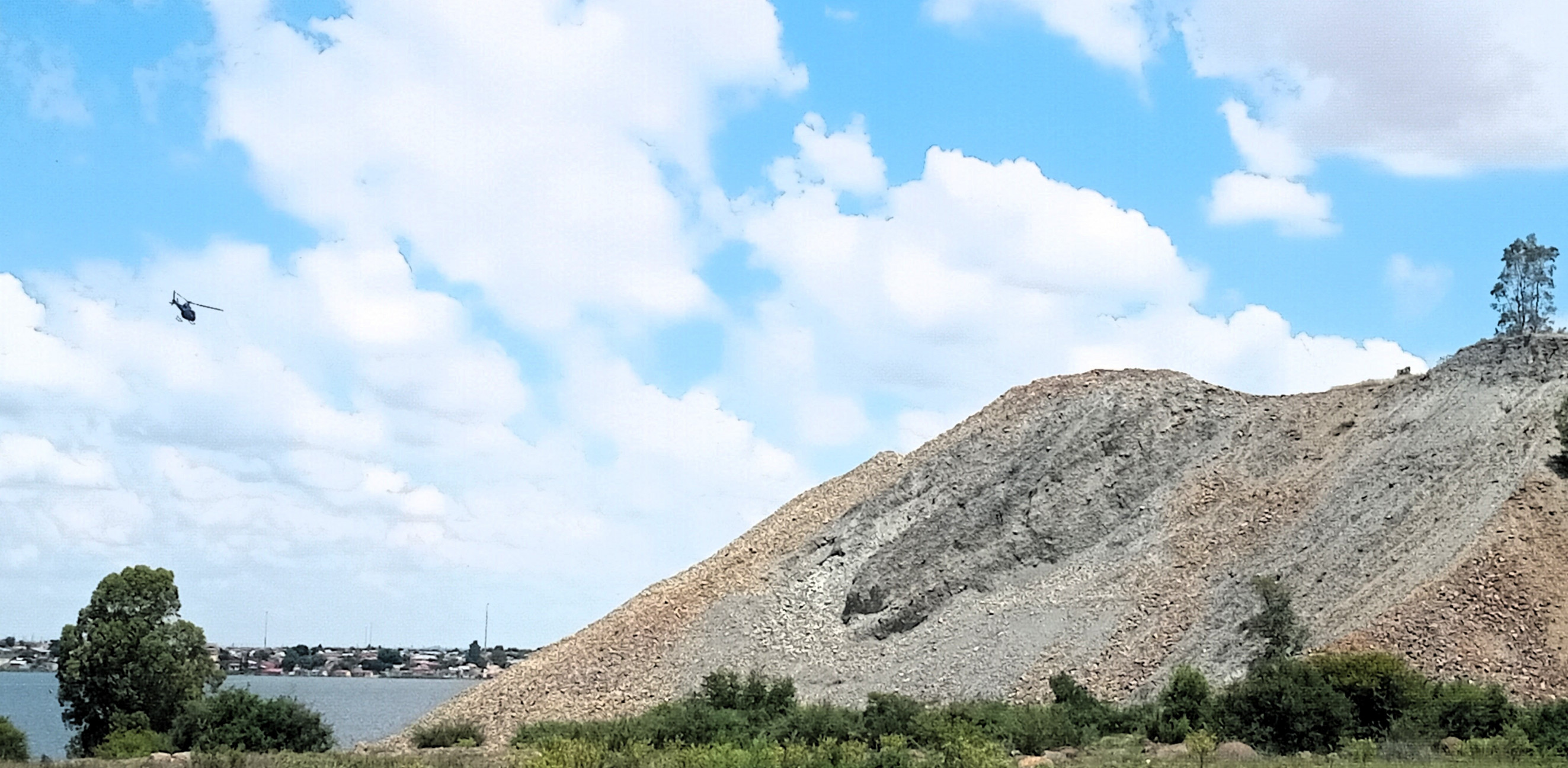
2000s: A New Chapter in Governance
The turn of the millennium marked a significant shift in how the town was managed. In 2000, Allanridge was incorporated into the Matjhabeng Local Municipality. This transition integrated the town into a larger administrative framework, marking a new chapter of modernization and regional development.
Did you know? The year 2000 saw Allanridge join forces with nearby mining hubs under the Matjhabeng Local Municipality. 💡
Allanridge Today: The Golden Heartbeat
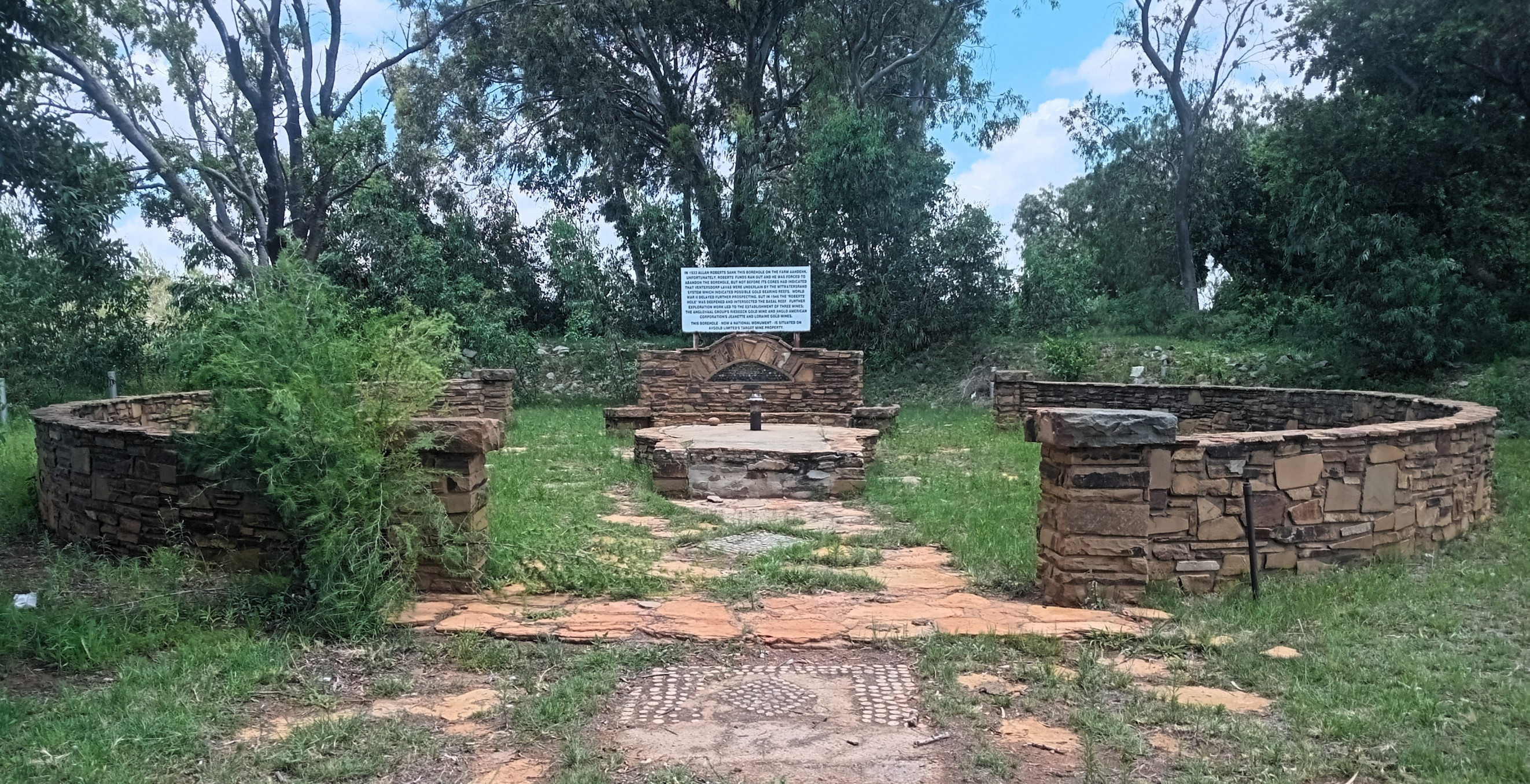
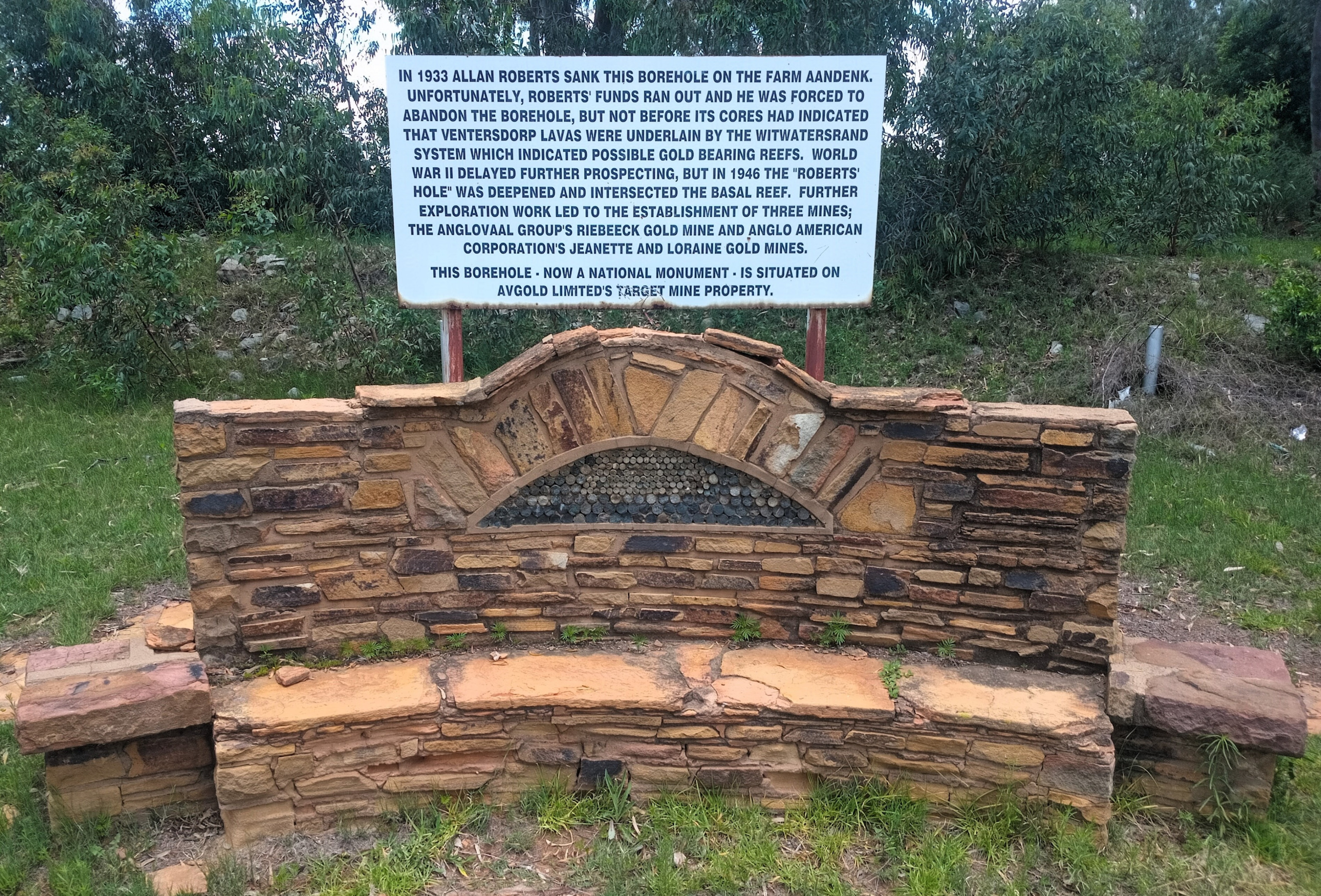
Today, Allanridge stands as a proud testament to South Africa’s industrial heritage. While it remains a primary center for gold mining, it is also a place of quiet reflection. Visitors can still see the Allan Roberts Prospectors Borehole Memorial, a key-shaped monument that marks the exact spot where the reef was first discovered.
By balancing its rich, gritty history with modern perseverance, Allanridge continues to be a vital and enduring part of South Africa’s mining landscape.
Legacy
Today, the Aandenk borehole is a National Monument. It symbolizes the grit and determination of the pioneers who discovered the Free State goldfields.
Visitor Sentiment Score: 45 / 100
Based on amenities, accessibility, and historical interest.
Come for the history, stay for the quiet. Experience the town that helped build a nation.