
The Story of Bethlehem
Free State · A journey through time
From early origins to modern resilience, this timeline highlights the moments that shaped Bethlehem.
Circa 1860
The Wagon's Halt
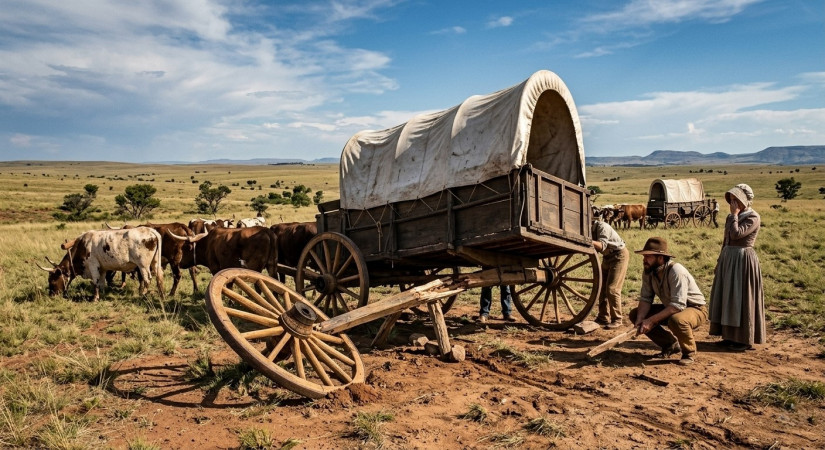
Long before the town was officially mapped, the area was a vital crossing point for pioneers. Legend tells that the town's name, 'Liebenbergs Vlei' or 'axle river,' originated when a wagon's axle snapped at a river ford during the Great Trek. This forced delay in the fertile valley eventually led to the establishment of the town on the farm Pretorius Kloof. The town was intentionally surveyed and settled along the banks of the Jordaan River, which early Voortrekker settlers named after the biblical Jordan River.
Did you know? Early Voortrekker settlers named the Jordaan River after the biblical Jordan River.
1860–1864
Founding the Breadbasket
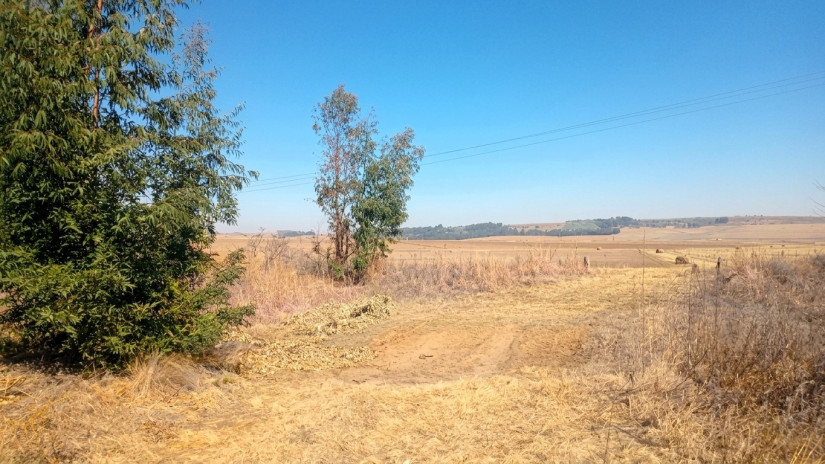
Established on the farm Pretorius Kloof in 1860, Bethlehem was officially founded to serve the rapidly expanding agricultural community of the region. While some local records note that the initial layout of stands began around 1860 on the farm Pretoriuskloof, the official establishment and proclamation of Bethlehem as a town recognized by the authorities occurred on February 27, 1864. The name Bethlehem originates from the Hebrew meaning 'House of Bread'; settlers chose it because the local climate and fertile soil proved ideal for cultivating wheat. Its strategic positioning within a remarkably well-watered valley made it an ideal, high-yield hub for wheat farming, drawing waves of dedicated settlers who sought to cultivate the rich, fertile soil of the Eastern Highlands.
As these early farming families broke the ground, the valley quickly transformed into an uninterrupted expanse of golden grain fields. The presence of the Liebenberg's Vlei River provided a reliable, year-round water supply, shielding local crops from the harsh droughts that frequently threatened other corners of the interior highveld. This reliable agricultural output laid the groundwork for advanced milling infrastructure, turning Bethlehem into a critical trade magnet and supporting the town's later commercial growth.
Did you know? Bethlehem was officially proclaimed a town on February 27, 1864. 🌾
January 22, 1866
The Battle of Bethlehem
The Battle of Bethlehem took place on January 22, 1866, during the Second Basotho War, also known as the Seqiti War. The conflict occurred when a force of between 3,000 and 4,000 Basotho warriors attacked the young settlement of Bethlehem in the Orange Free State, now part of South Africa.
The town was narrowly saved by a twist of timing. Boer Commandant C.J. de Villiers, leading a group of 125 burghers and 150 Batlokwa allies, had been preparing to leave Bethlehem that morning. However, the arrival of the local post coach excited the men so much that they delayed their departure by a day. Because they stayed, they were positioned to mount a swift, organized defense when the assault began from multiple directions, preventing the Basotho forces from encircling the town. The battle resulted in an estimated 200 Basotho casualties, while only two Boers were wounded.
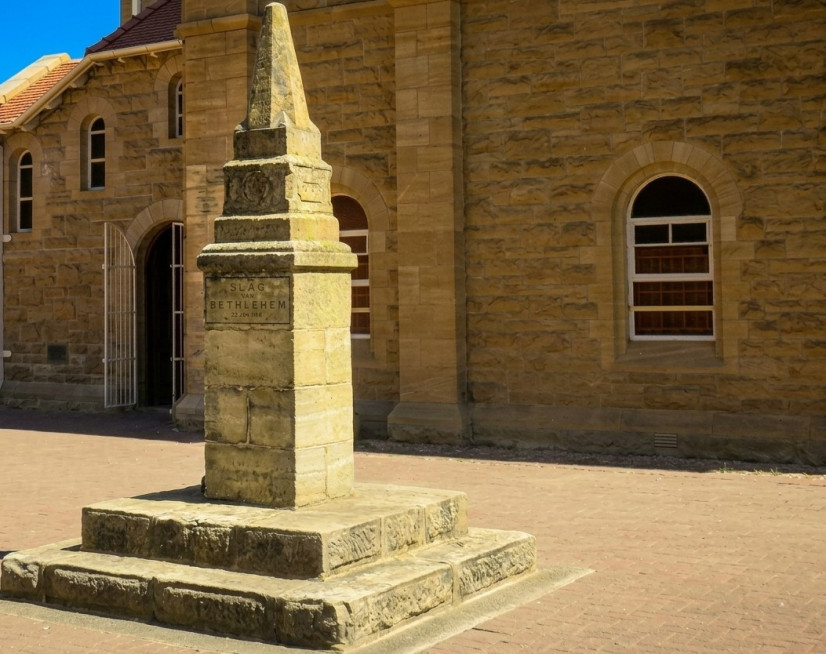
Today, a modest, plain stone monument inscribed simply with 'Slag van Bethlehem 1866' stands in the courtyard of the Dutch Reformed Church in the center of Bethlehem to commemorate the engagement.
1900
A Capital in Conflict
During the turbulent years of the Second Boer War, Bethlehem briefly ascended to national prominence. Following the British capture of Bloemfontein on March 13, 1900, President Martinus Theunis Steyn and the Orange Free State government moved their administration temporarily to Bethlehem, making the town the temporary seat of government. As conflict swept across the plains, Bethlehem and the surrounding Eastern Free State served as a vital base of operations and concentration area for Boer commandos before the pressures of the campaign shifted further into the Brandwater Basin. The town’s strategic position made it a hub witnessing the shifting tides of history. Today, visitors can explore war memorabilia in the local museum, which preserves the stories of those who lived through this defining era of South African history.
The Battle of Groenkop, also widely known as the Battle of Tweefontein or Christmas Kop, was a major engagement of the Second Boer War. On the night of December 24–25, 1901, a Boer commando of about 600 men led by General Christiaan de Wet launched a surprise raid against a British camp of roughly 550 men from the 11th Battalion Imperial Yeomanry, positioned atop the 200-foot-high Groenkop under Major F.A. Williams. Expecting an attack from the gentle eastern slope, the British had oriented their defenses accordingly. De Wet’s men removed their boots and climbed the steep western face in their stockinged feet. At 02:00 on Christmas morning, they surged over the crest and fired into the British tents. The battle lasted about 40 minutes and ended in a decisive Boer victory; Major Williams was killed and more than 200 British soldiers were taken prisoner.
Today, a memorial monument stands at the summit of Groenkop. Major Williams and other fallen British soldiers were buried on-site, and an obelisk was erected to preserve their names and memory. The battlefield lies in the Orange Free State, approximately 15 to 20 kilometers from Kestell and about 40 kilometers from Bethlehem.
Did you know? Bethlehem served as the temporary capital of the Orange Free State during the South African War. ⚔️
Early 20th Century
The Breadbasket Emerges
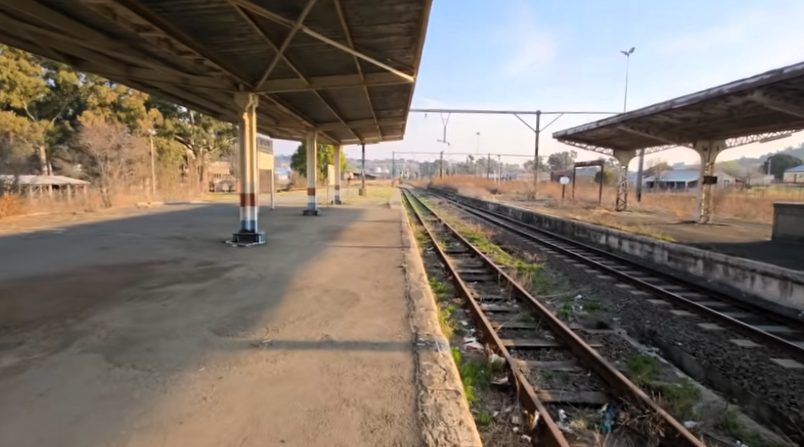
As the region stabilized, Bethlehem transformed into the agricultural heart of the Free State. With its well-watered valleys and fertile plains, the town became known as the 'breadbasket' of the province. Flour mills, dairies, and railway workshops sprouted, connecting the town to the wider world via the main passenger line between Bloemfontein and Durban. After Bethlehem was integrated into the South African rail network, its economic growth accelerated and the town became a critical railway junction connecting major hubs such as Johannesburg, Bloemfontein, and the port of Durban. This transformed Bethlehem into a vital commercial and logistics stopover. The town grew rapidly, fueled by the bounty of its harvests and the industrious spirit of its farming community.
Did you know? The town's economy was built on its role as a major distribution center for agricultural produce. 🌾
Mid-20th Century
Architectural Heritage
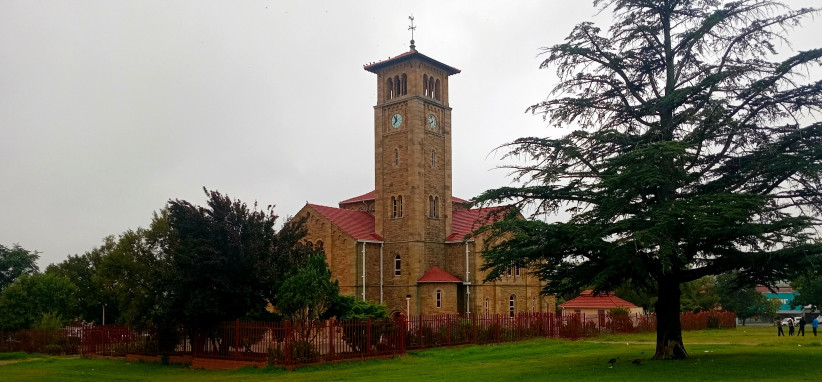
The townscape of Bethlehem is defined by its striking use of local sandstone, a hallmark of the Eastern Highlands. From the grand Nederduitse Gereformeerde Mother Church to the historic A B Baartman Wagon House, the architecture tells a story of craftsmanship and permanence. These dressed-stone buildings stand as monuments to an era when local materials were masterfully shaped to create a lasting urban identity, blending European influence with the rugged beauty of the Free State landscape.
Did you know? Local sandstone was used to construct many of the town's most iconic heritage buildings. 🏛️
Contemporary
A Cultural Crossroads
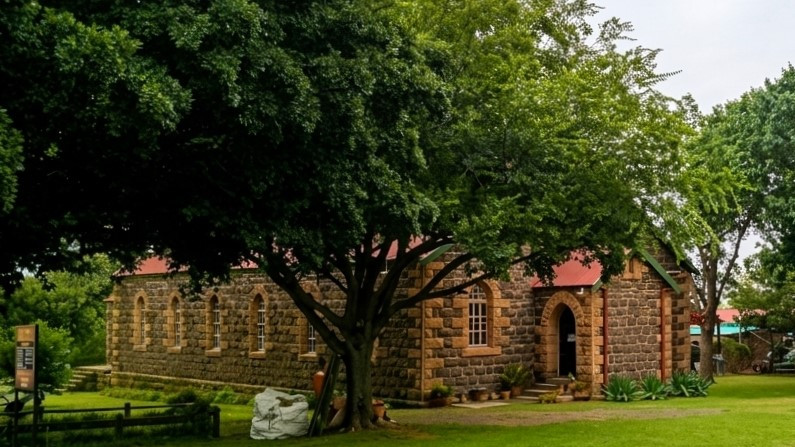
Bethlehem remains a vibrant center where history meets modern life. The Bethlehem Museum, a cultural history hub housed in the beautifully preserved former Nazareth Mission Church, offers a deep dive into the past. Originally constructed between 1906 and 1910 from local light sandstone and nearby blue ironstone (dolerite), the building is an architectural treasure and an official Provincial Heritage Site. After a new church was completed in 1963, the municipal council purchased the building and officially opened it as a museum in 1964 during Bethlehem's centenary celebrations.
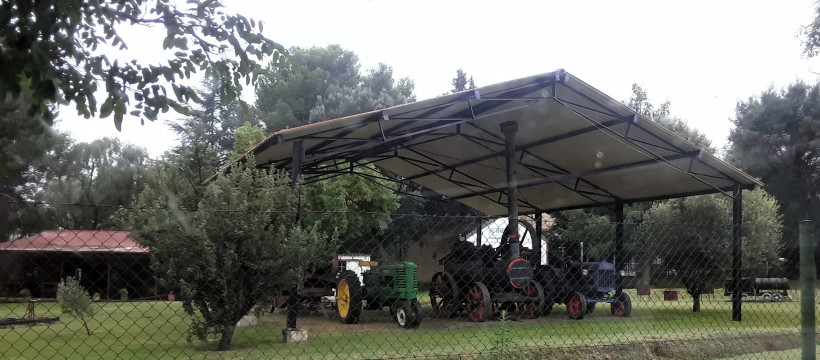
The museum's collections include period furniture, late 18th- and early 19th-century Boer household objects, historical photographs, local art, textiles, vintage agricultural implements, transport wagons, horse carriages, and wartime memorabilia. A standout exhibit is a turn-of-the-century Cape Town-to-Mafeking steam locomotive permanently housed on the garden grounds, documenting Bethlehem's agricultural, commercial, and military development.
Visitor information: The museum is located at 7 Muller Street, also noted as 45 Murray Street, Bethlehem, Free State, 9701, South Africa. Phone: +27 58 303 3252. It is run by volunteers and opens at selected times or by appointment, so visitors are encouraged to plan ahead.
As the seat of the Dihlabeng Local Municipality, the town continues to serve as a vital commercial and cultural hub. For the modern traveler, it is a place to pause, reflect on the layers of history, and enjoy the warm hospitality of the Free State.
Did you know? The Nazareth Mission Church Museum houses a diverse collection of cultural artifacts. 🗺️
Modern Era to Present Day
Modern Bethlehem
Bethlehem is a vibrant commercial and cultural hub where history meets modern life. Situated in the eastern Free State at the foot of the Rooiberg Mountains, the town is a welcoming stop on the N5 and a gateway to the wider highlands. Its fertile agricultural land, rich history, and warm hospitality make it a peaceful base for travelers exploring the region.
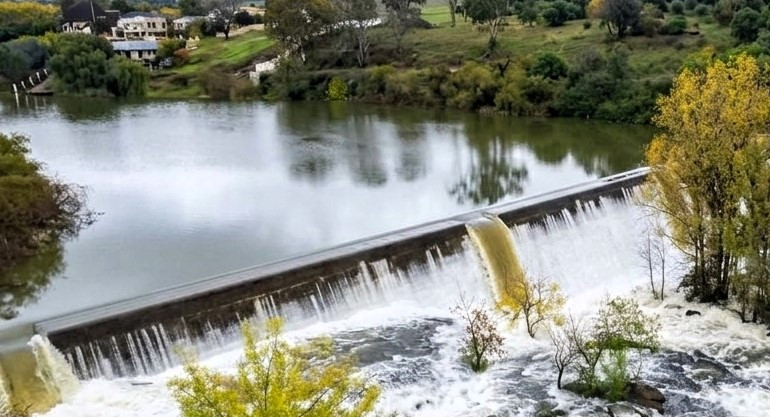
The Jordaan River has been dammed to create scenic Loch Athlone, a hub for recreation and relaxation. Bird enthusiasts visit the Pretorius Valley Bird Sanctuary, while hikers explore the nearby mountain trails. Visitors can also reach the sandstone cliffs of Golden Gate Highlands National Park and the art-filled village of Clarens, making Bethlehem an ideal starting point for a broader highland journey.
Bethlehem continues to serve as an important commercial and industrial center, while its museums, natural landscapes, and heritage attractions offer visitors a place to pause, reflect on the layers of history, and enjoy the hospitality of the Free State.
Did you know? Bethlehem combines agricultural heritage, cultural attractions, and access to the Eastern Free State highlands. 🛶


© Swerweling
2026